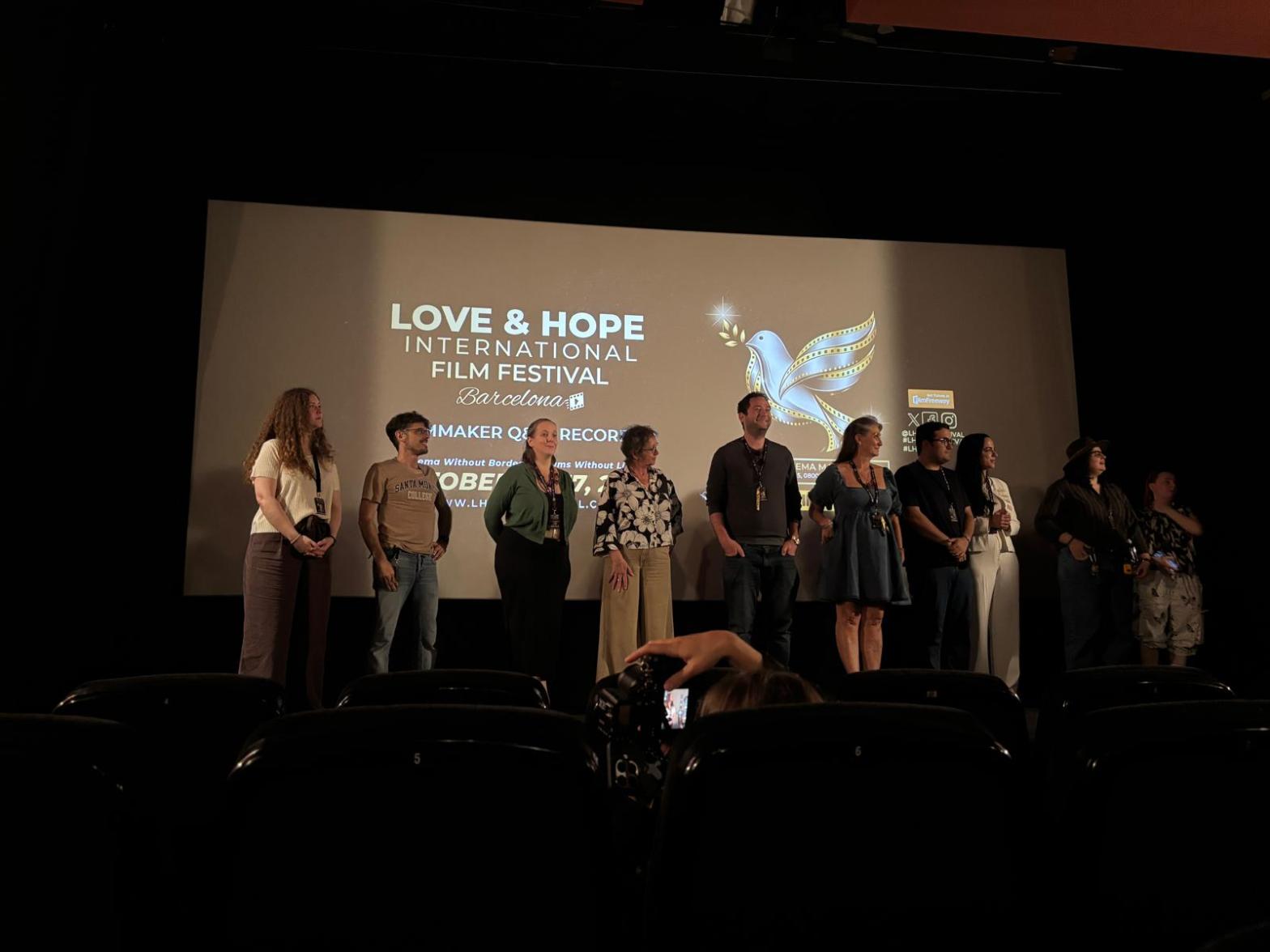
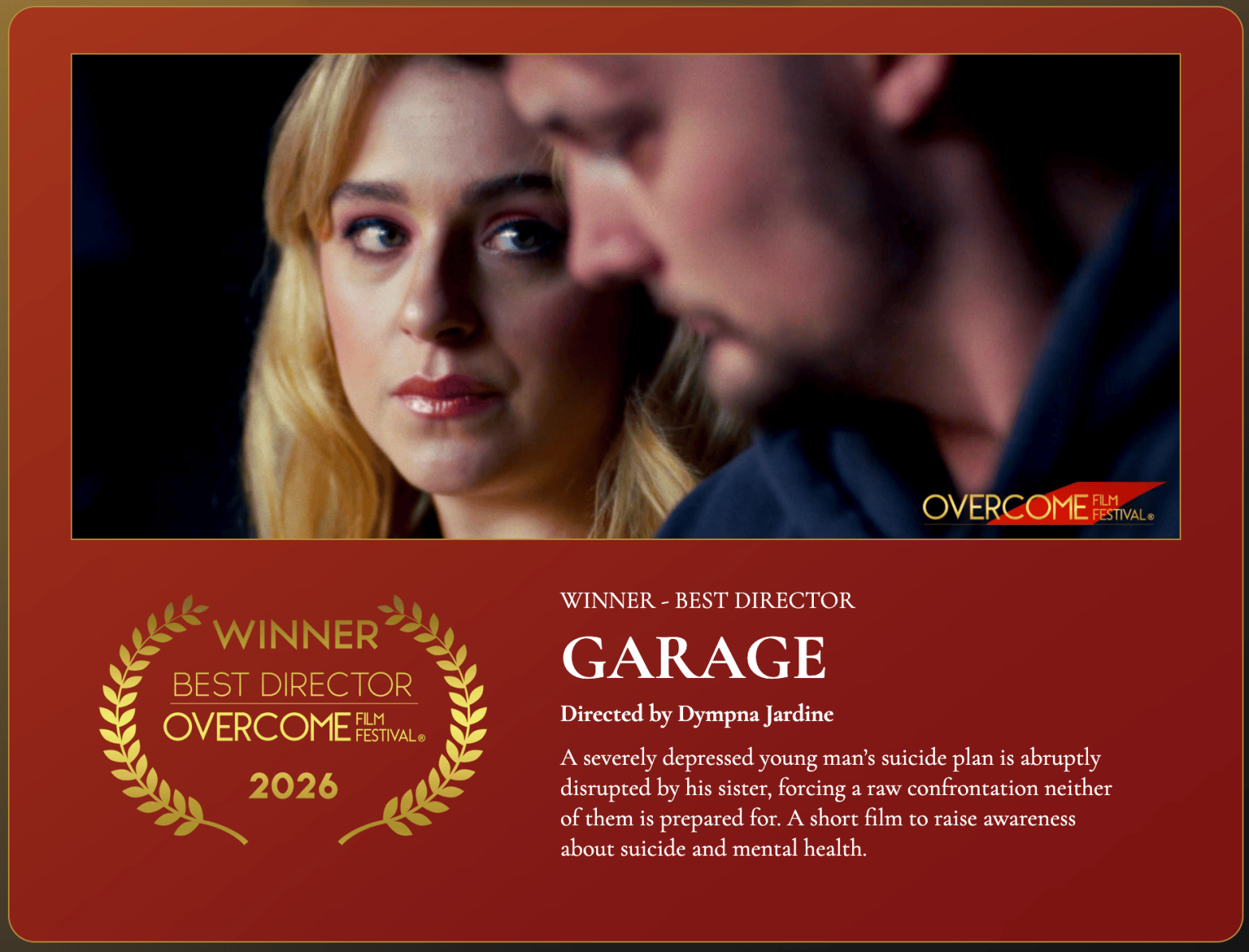
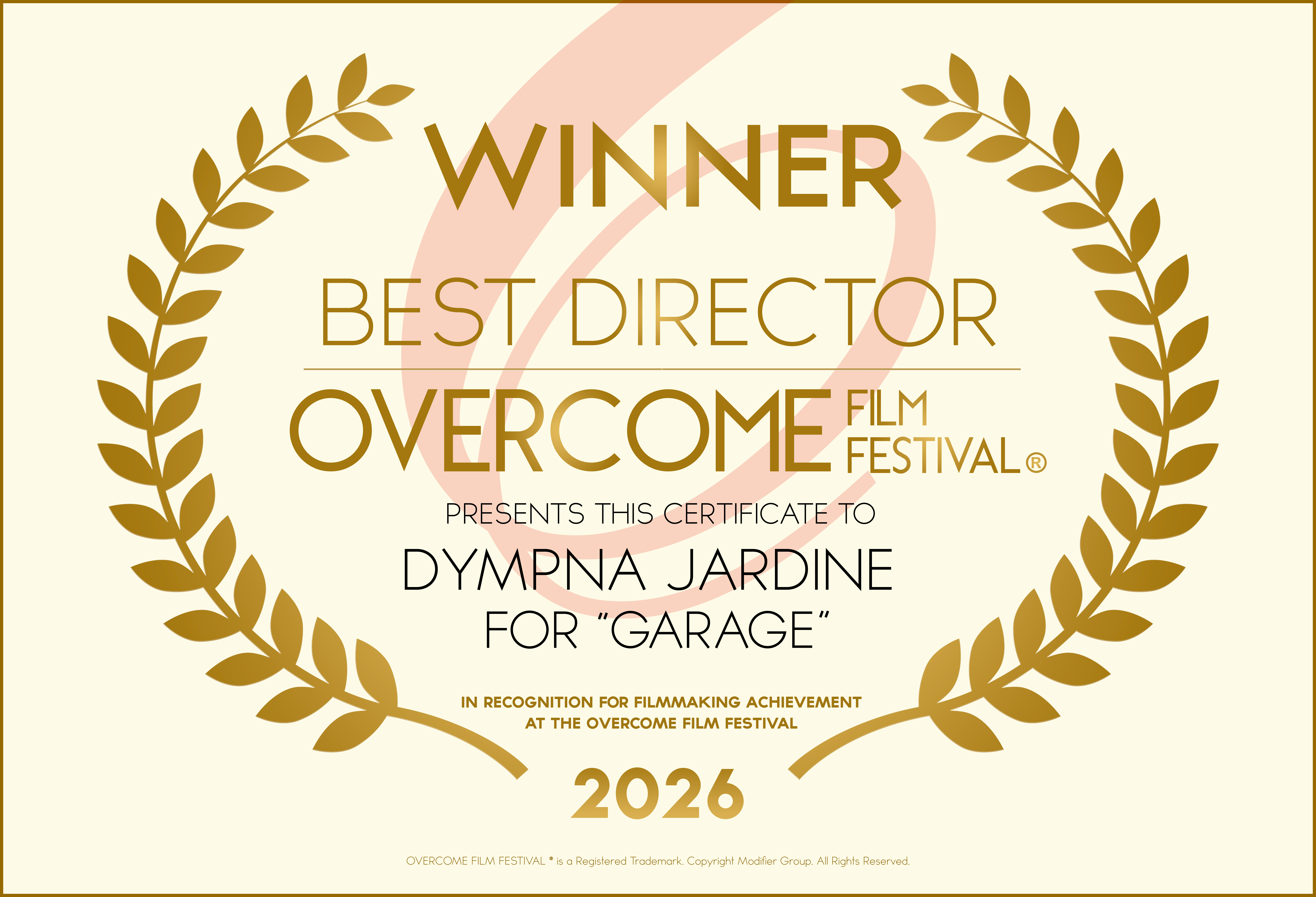
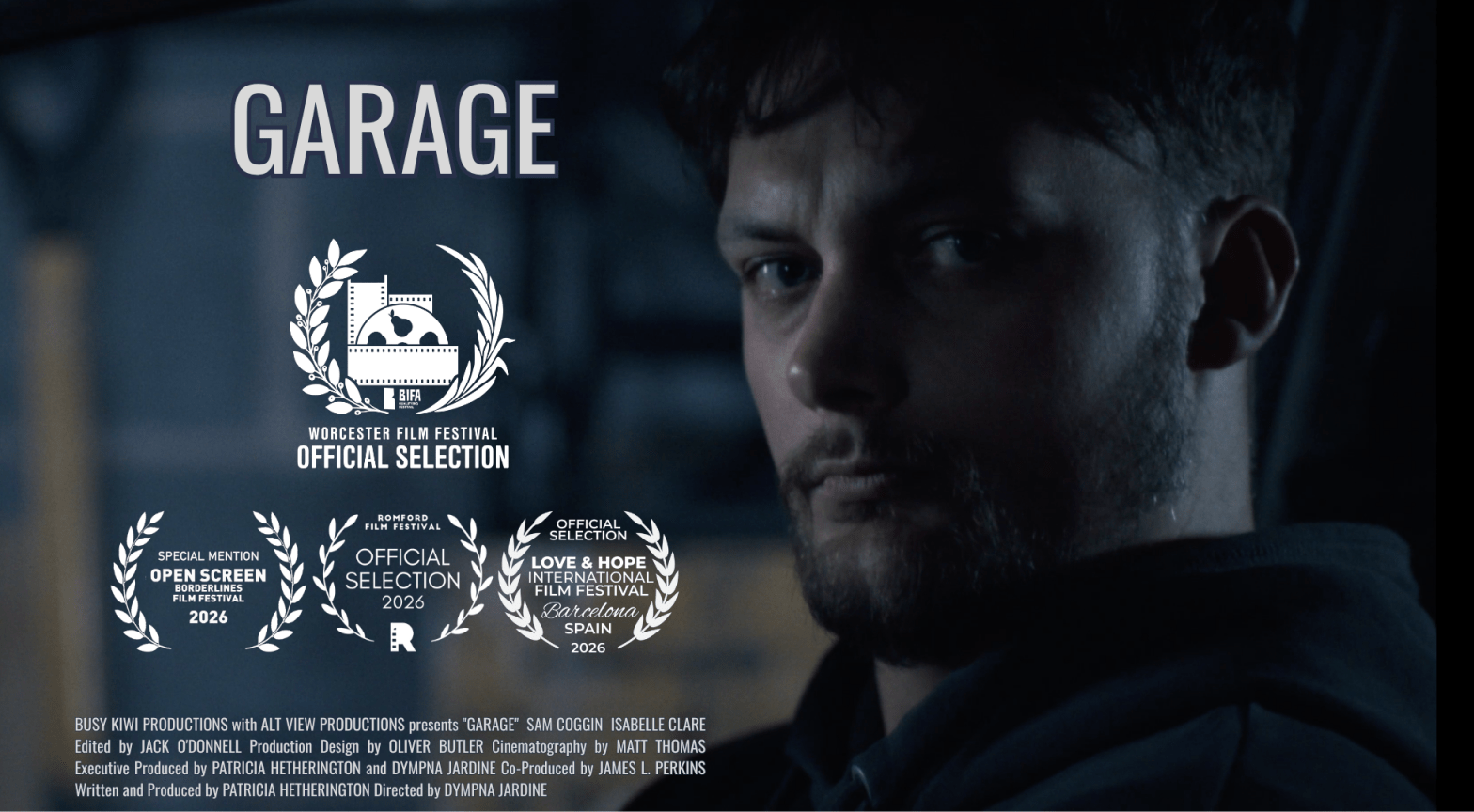
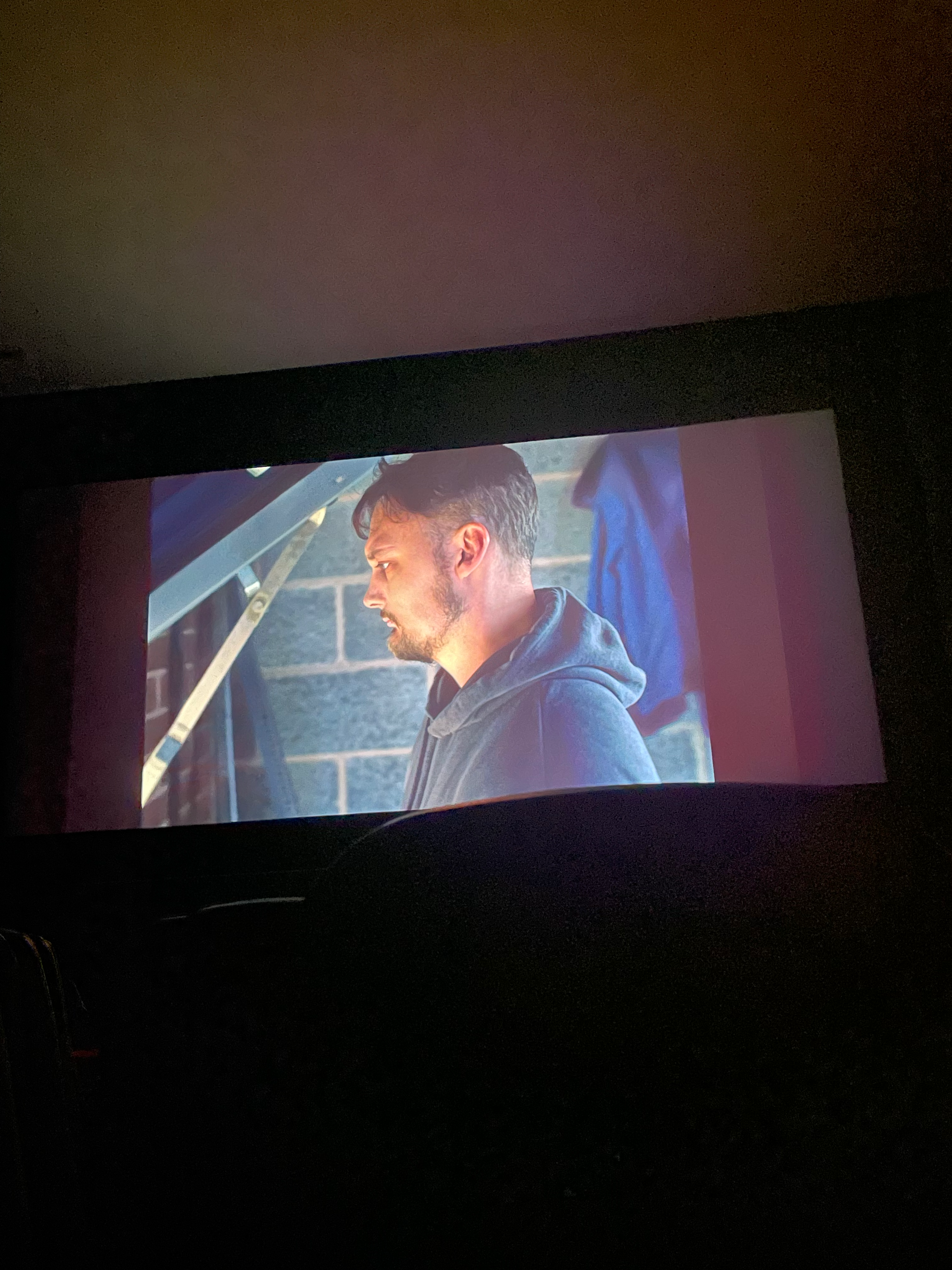
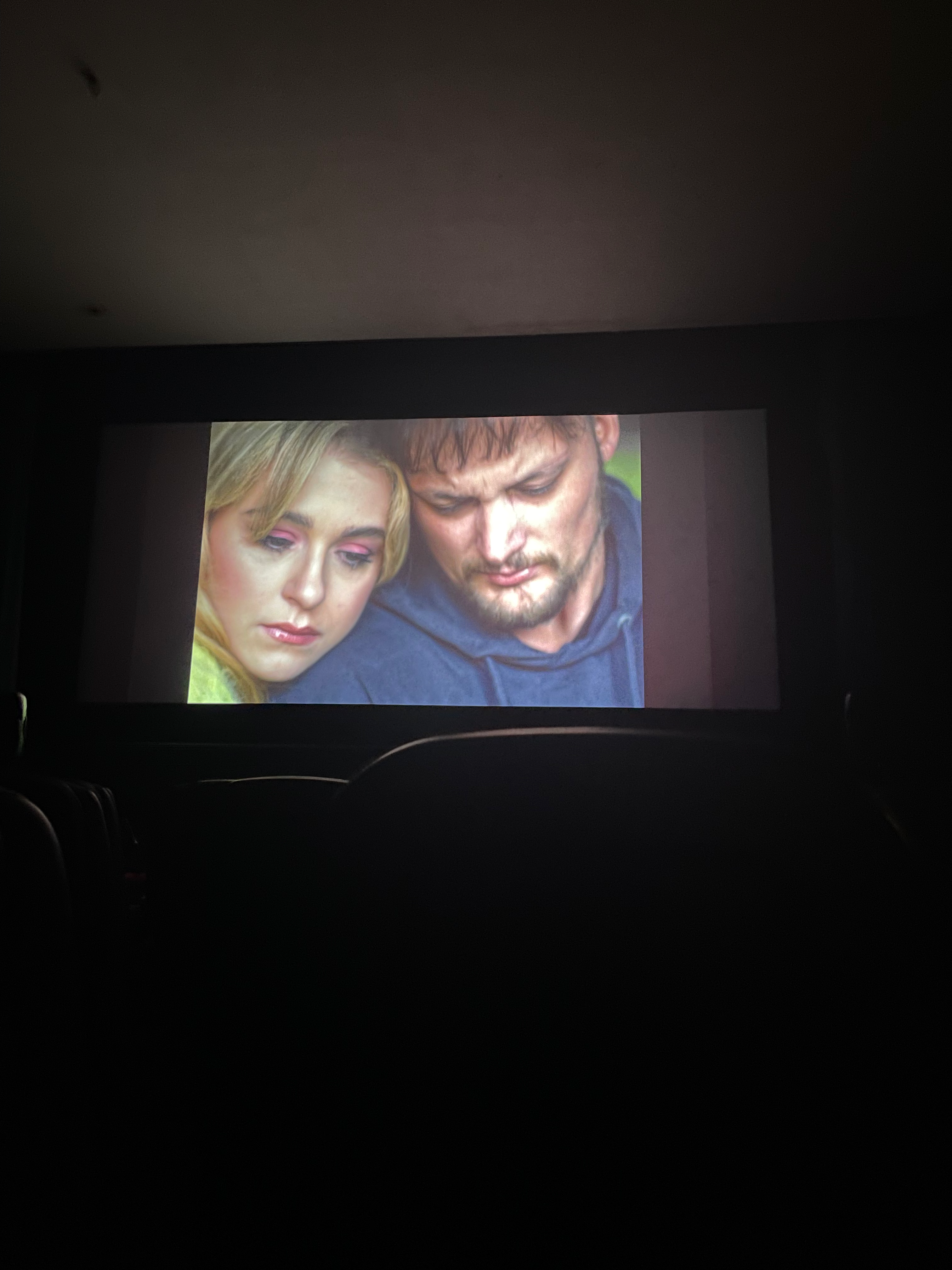
Writer/Producer Patricia Hetherington and Director Dympna Jardine attended the Love & Hope International Film Festival last week. The festival ran 14-17th October.
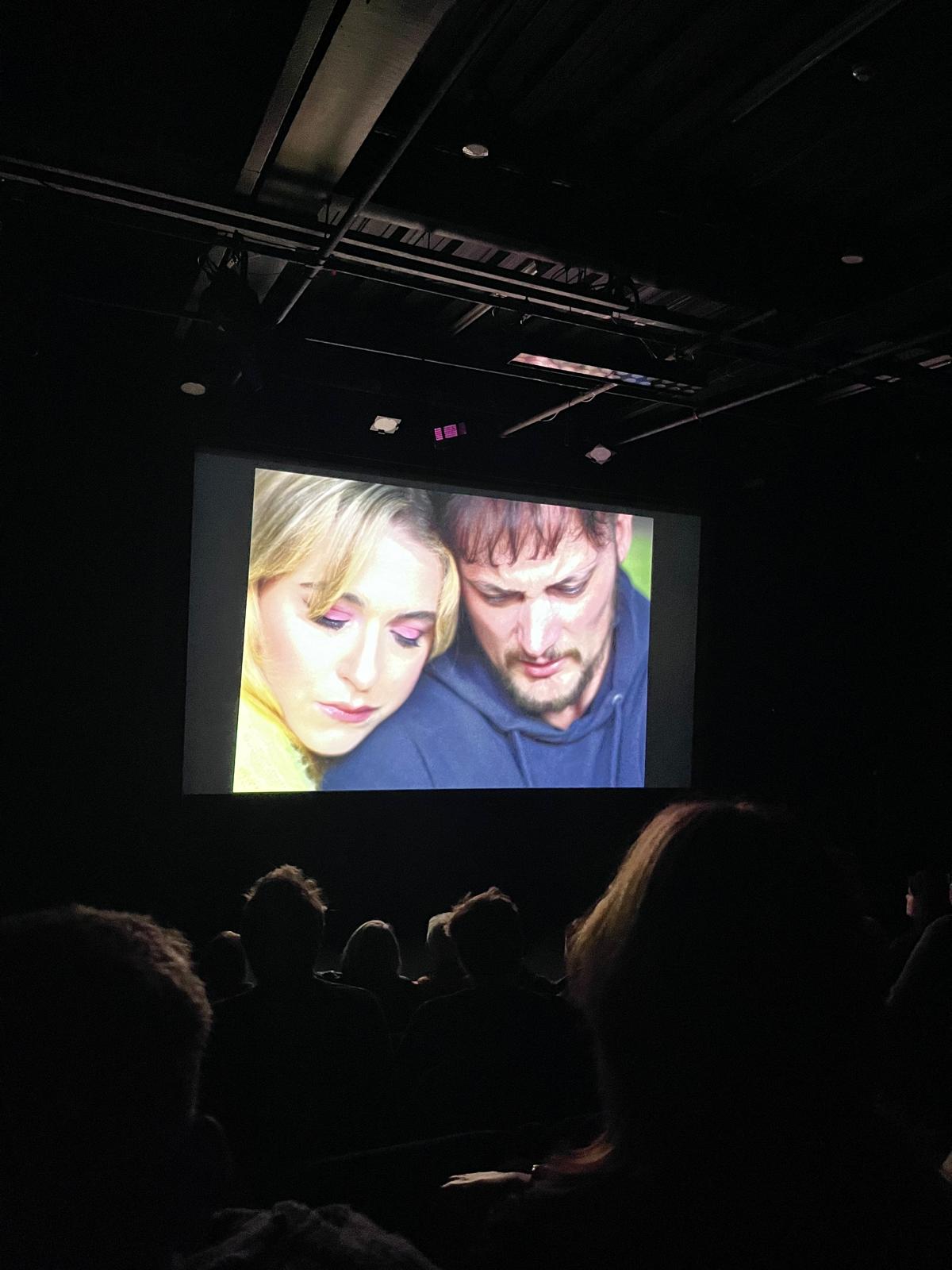
Garage screened on Saturday 17th at Cinema Malda. Writer/Producer Patricia Hetherington and Director Dympna Jardine were in attendance.
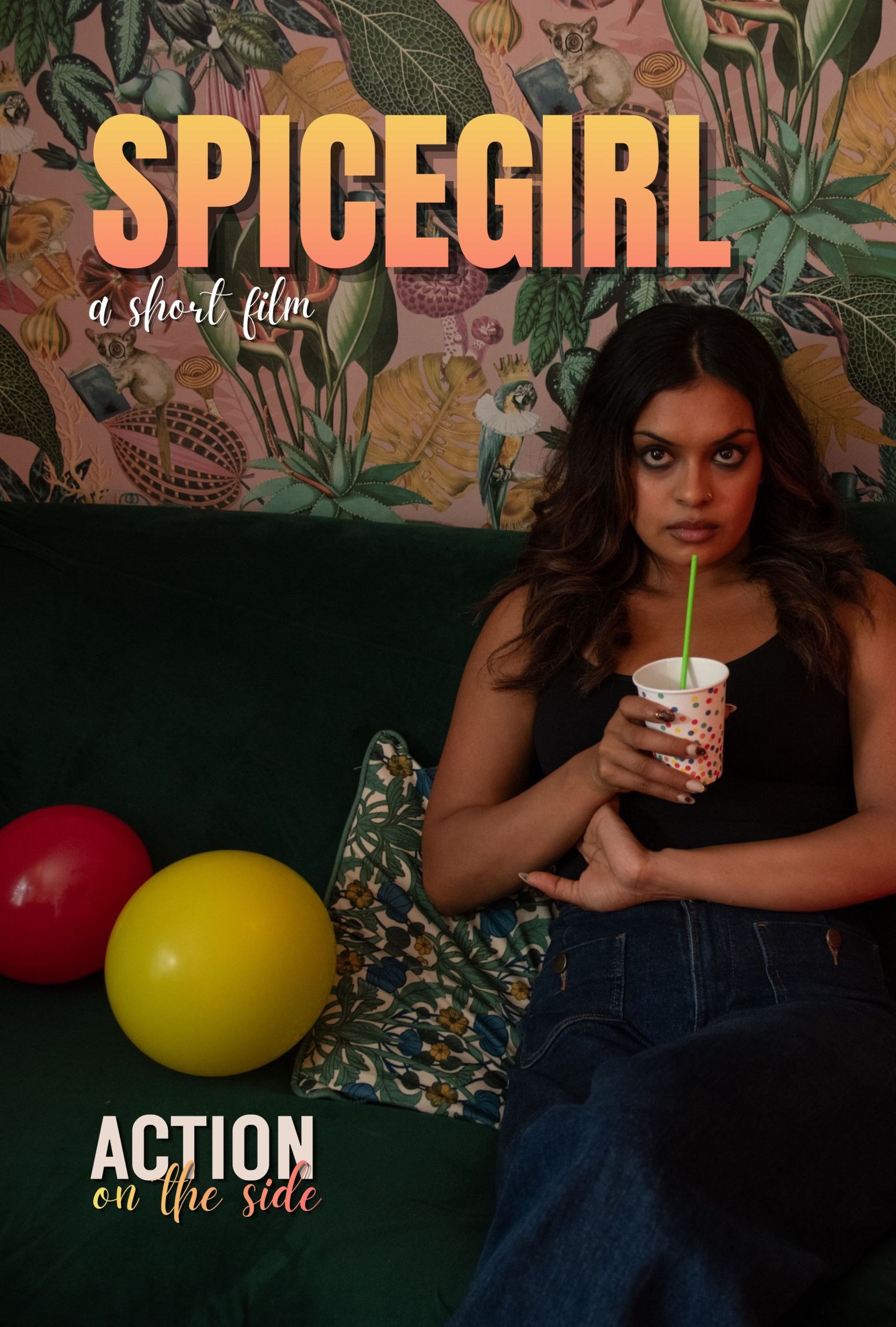
September 2026: I’ve been running the Action On The Side one-month weekend filmmaking project. This was our 26th one-month project (since 2013 — see I’m tracking that now!), and we made our 34th short film: SpiceGirl
The film has some audio issues, so we are re-synching and should be releasing it tomorrow.
In the meantime, please see the behind-the-scenes video, which just went live.
I’m a bit behind with some other AOTS projects and announcing their results / sharing their videos, so I am on that this week.
Again, I’m a bit behind on promoting the competition, and I need to see how much energy and how many funds I have to run it. We have an exciting prize for this year, and I do want it to go ahead, but there’s a lot involved.
Interview
I spoke on the JDH Podcast about filmmaking and the projects I run. The video was released this week. Thank you for your time, JD and Antigone Productions.
Film Festivals (Screening)
Garage screened at the Worcester Film Festival on Saturday 26th September. It was fantastic to see the film on the Odeon screen, with other well-made short films, with a supportive audience. I attended with Director Dympna Jardine, Co-Producer / 1st AD James L. Perkins, and our 1st AC Caleb Saraceni (and Tom and Emma).
This was my weekend: Friday night was the delivery of SpiceGirl. I stayed in to get the colour graded video from our Editor (Hannah) and the sound from our Sound Editor (Lou), whilst I set up the film on IMDb and Letterboxd.
Saturday morning, I updated the credits, synced and exported the video. I drove 3 hours to Worcester, arriving at 2pm, ready for our screening at 3.15. After the screening, I attended (some of) the feature ending the festival, had a lovely dinner with Dympna and Tom, then drove back to London. Tiring, but worth it.
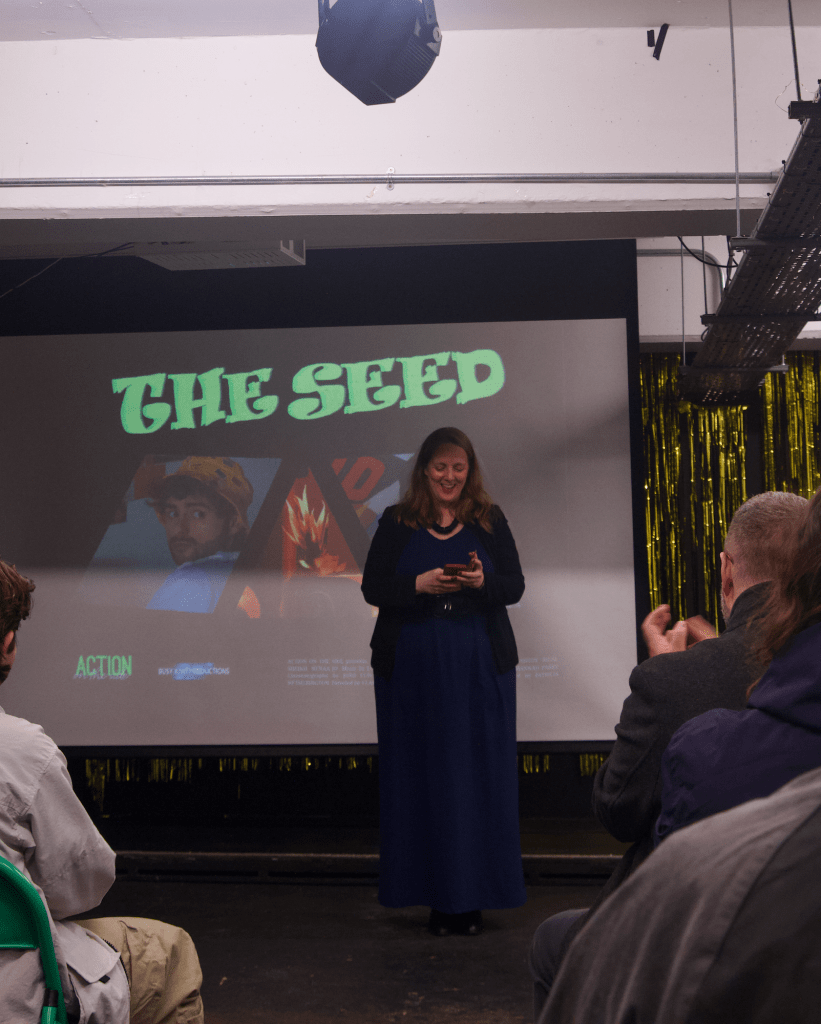
Sunday, I was prepping everything for the premiere. We had the premiere, then drinks at a nearby pub, and today (Mond) is all about rest (which is clearly working, considering I’m writing this blog post).
Both Garage and Drone have been selected for the Bournemouth International Film Festival, although only Drone is screening as a Finalist. Please join us for the screening on Friday 9th October at 7PM. I’ll be attending with members of the cast.
Garage screens at the Love & Hope International Film Festival in Barcelona. The film is in the Worlds in Motion block, 10am on Saturday 17th October. I’ll be attending with Director Dympna and Isabelle Clare (Grace).
Festival Judging
I am now a judge for the Bournemouth International Film Festival (don’t worry, I didn’t select my films). I’m watching some of the short films for the festival.
I am a judge with the International Film Festival of the Hague. Announcements of the film selections will come out soon. There have been some interesting discussions with the other judges. I’ll be attending the festival 13-15th November 2026.
In addition to the work I’m doing with the Creative Kiwi Collective (CKC), I’ve been invited to be on the Screen Committee for FANZA, the Foundation for Australian and New Zealand Arts. What that means is that I’m part of the team organising the Australia New Zealand Film Festival, which is held in London in late-Jan / early-Feb 2027. The ANZ Film Festival has been organised by the London Australian Film Society with FANZA, and I volunteered at the London Australian Film Festival earlier this year. I’m very excited to be involved and for the 2027 festival to come together.
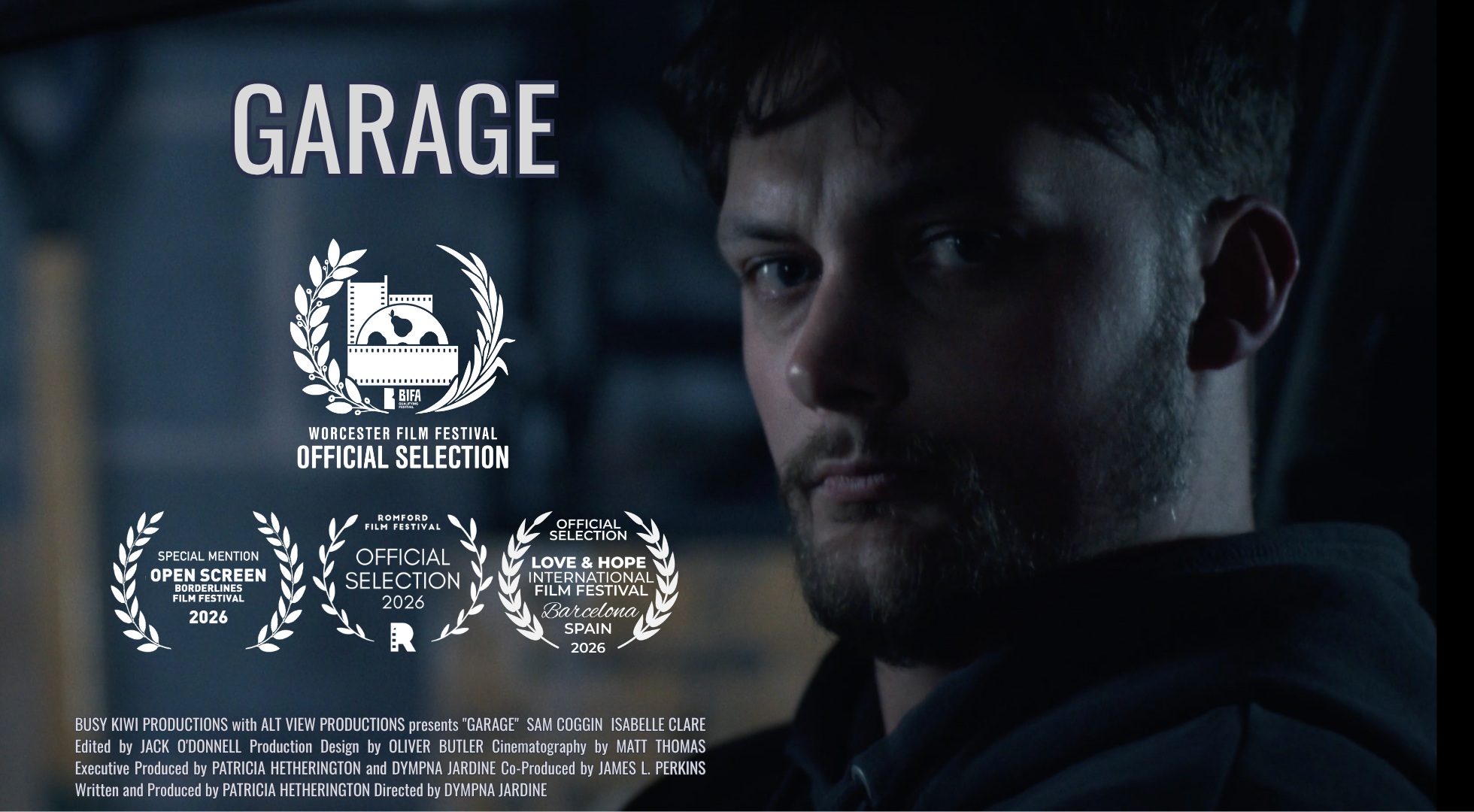
We are proud to announce that GARAGE has been selected for the Worcester Film Festival. The festival runs 22-26 September 2026 in Worcester. We shot the film in Droitwich Spa, Worcestershire, and many of the crew are from Worcestershire, so this is a very special selection for us.
This is our fourth film festival selection. Garage has already screened at Borderlines Film Festival and Romford Film Festival, and it will also screen at the Love & Hope International Film Festival in Barcelona, Spain, in October 2026.
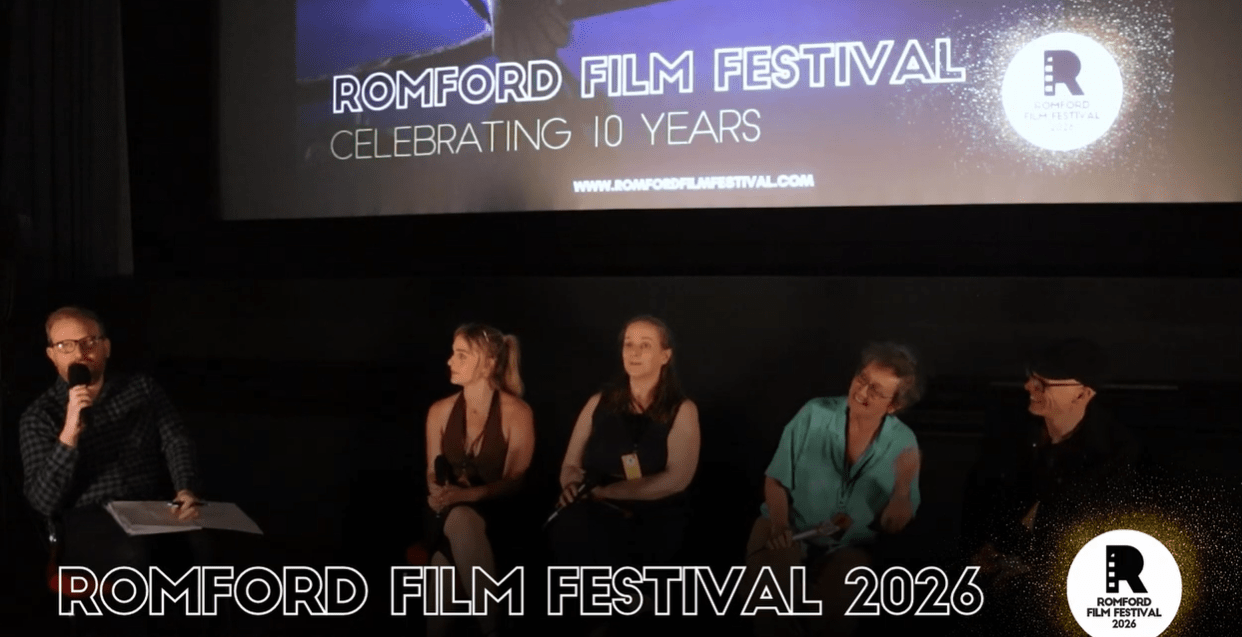
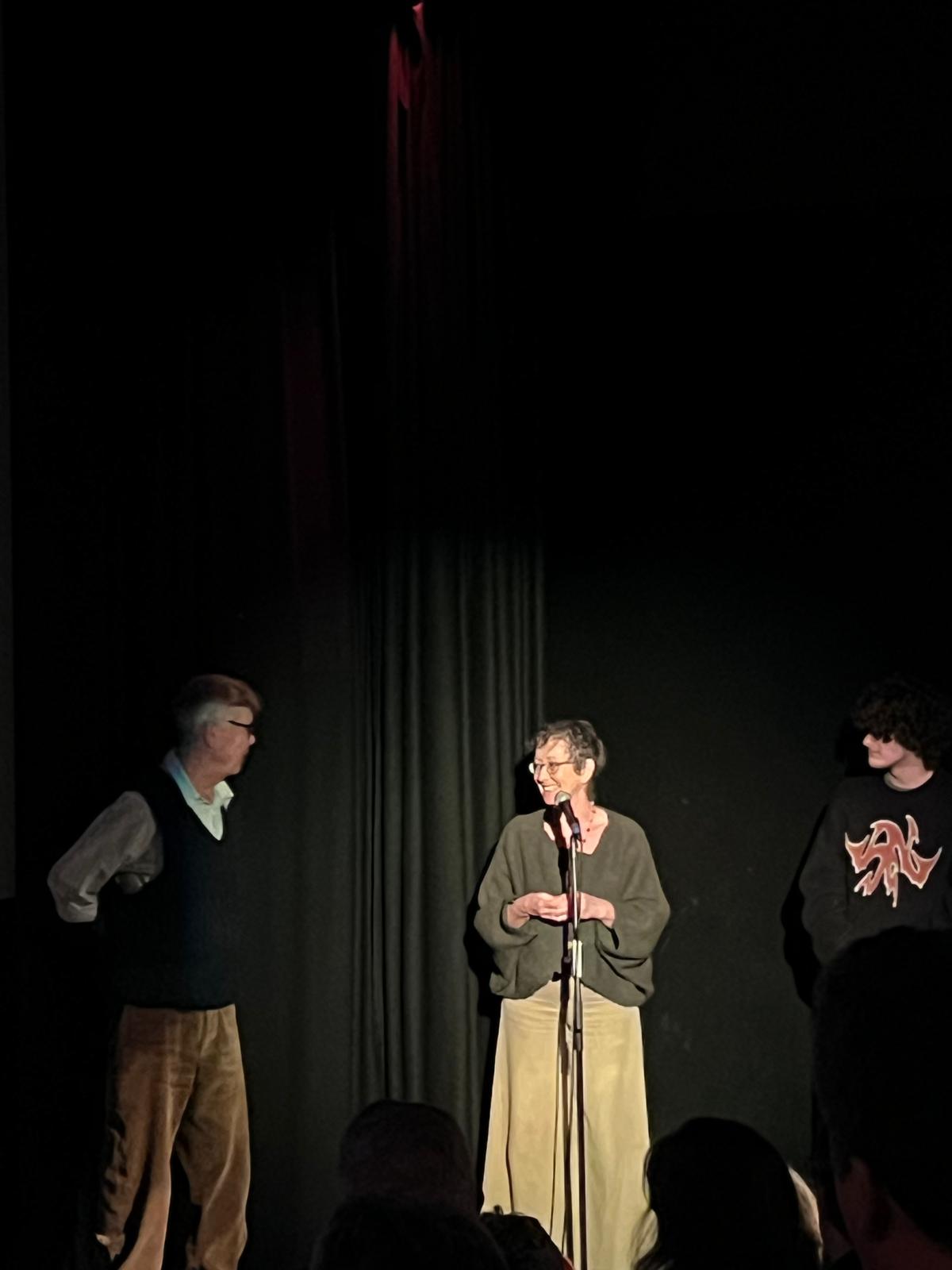
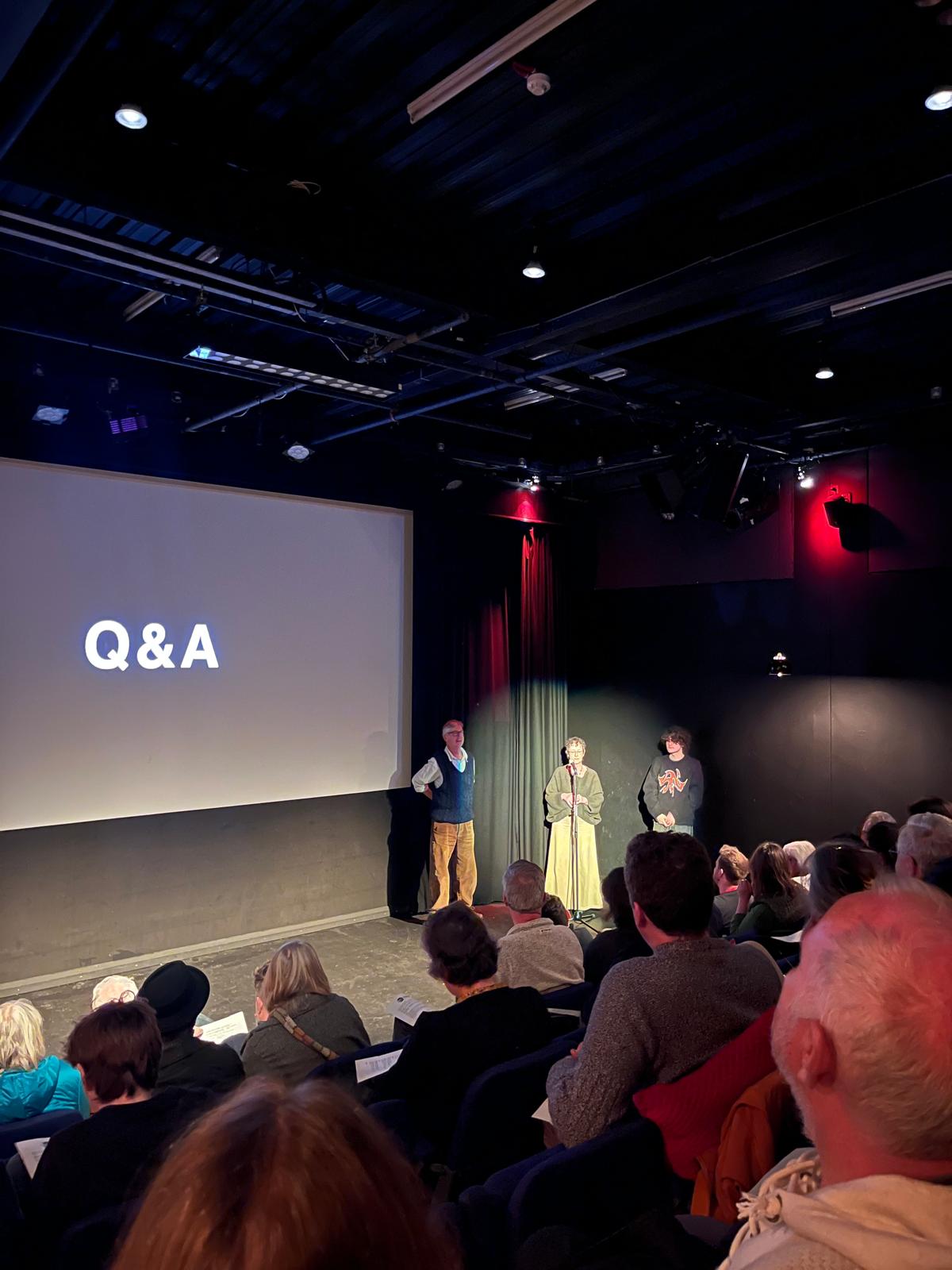
Our short film GARAGE screened at the Romford Film Festival on Friday 22nd May, 2026. The festival arranged a Q&A panel after the screening. Please enjoy the recording, featuring (L-R) Isabelle Clare (who played GRACE), Patricia Hetherington (writer, producer); Dympna Jardine (director), and Jack O’Donnell (editor).
Peter Blunden sits down with Isabelle Clare, Dympna Jardine, Patricia Hetherington and Jack O’Donnell from the short film Garage
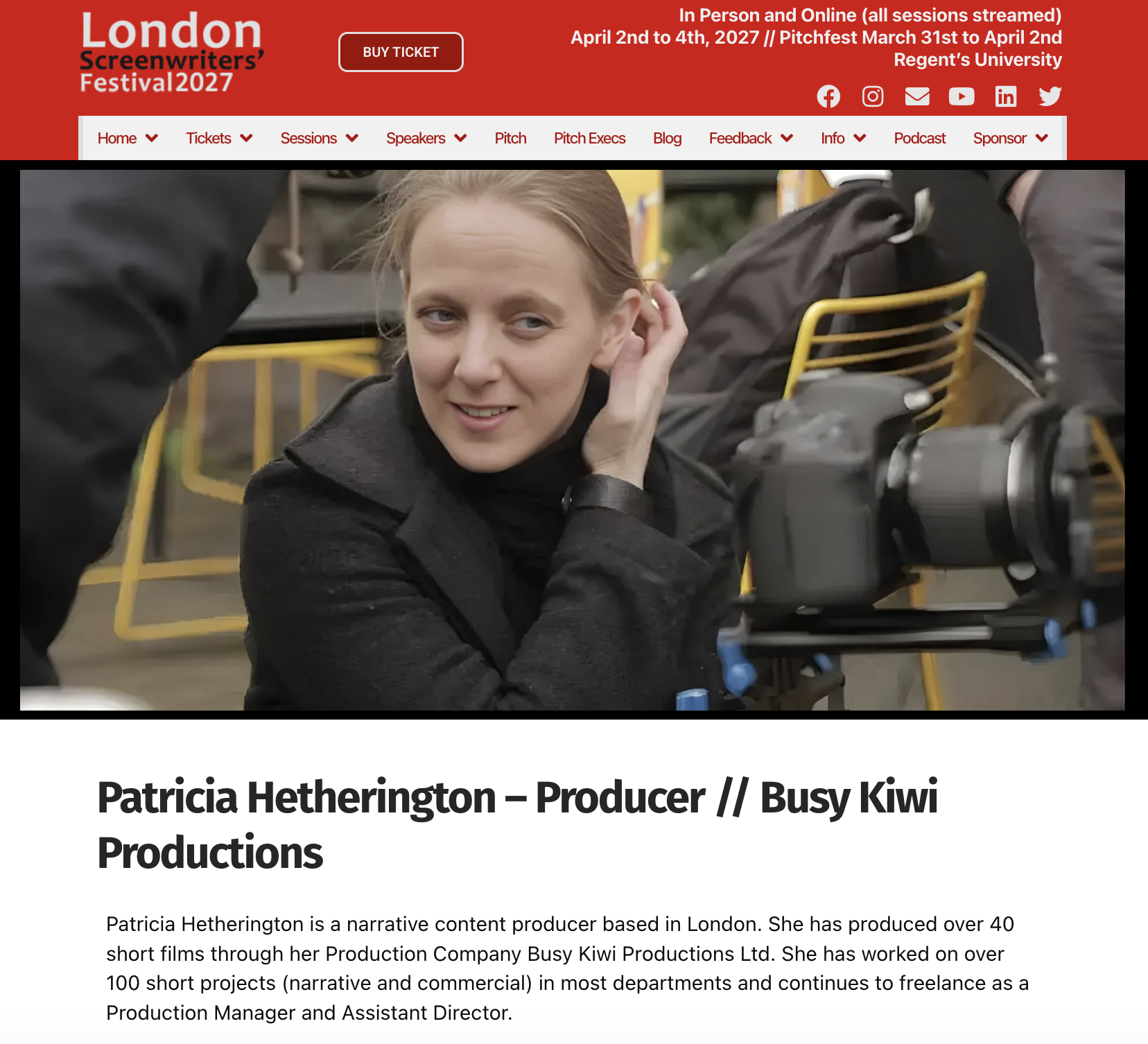
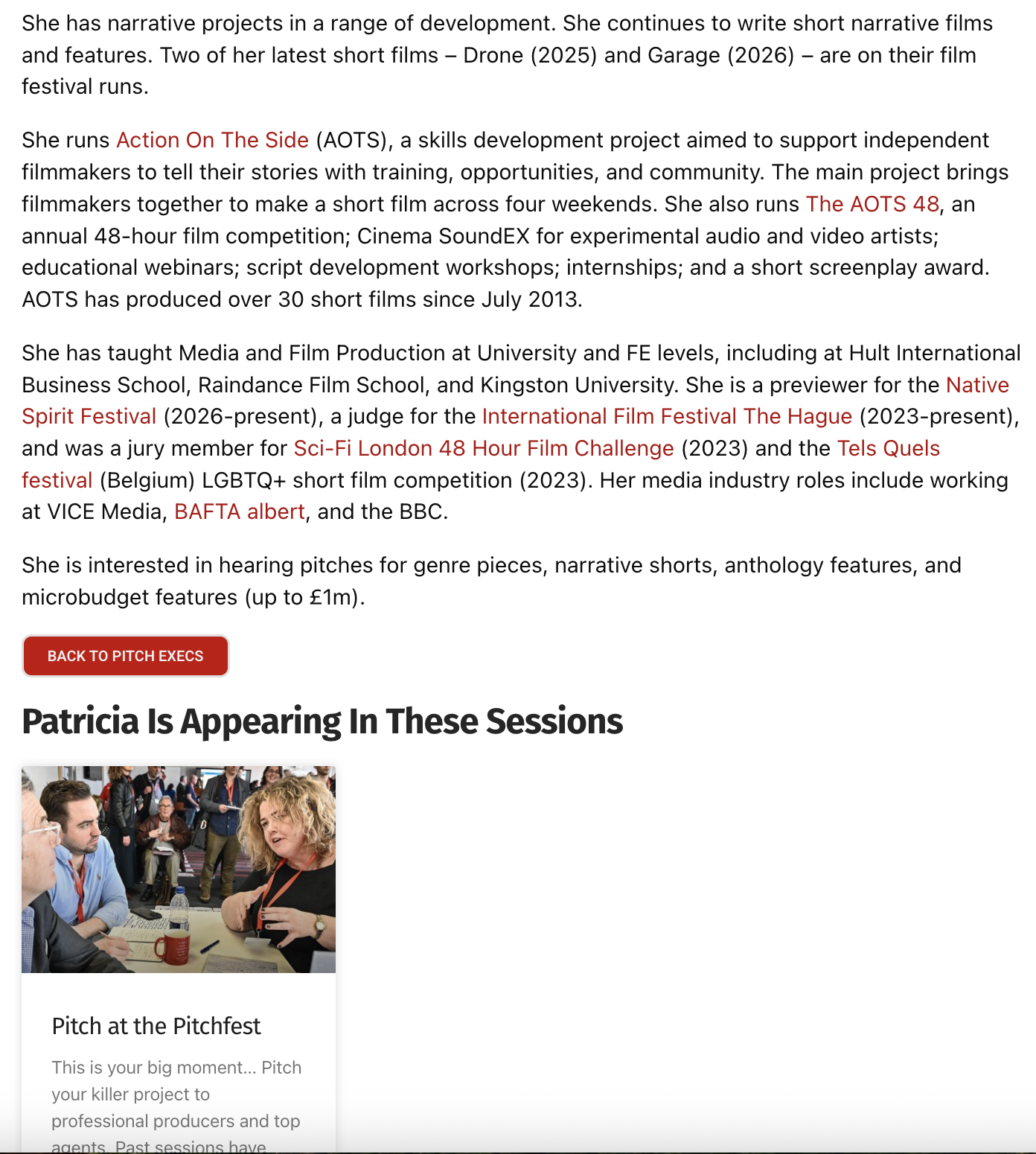
I was invited to be one of the Pitch Execs at the Pitch Fest. What that meant is that screenwriters had a 5-minute window to come and pitch their ideas to me. I was in block B (Thursday afternoon).
I was a late addition. I said I was interested in hearing about narrative shorts, microbudget features, genre films and anthologies. I had more gaps than the other execs, but I didn’t mind. It meant more people came to me for longer, and I could help them with their pitches (years of running script development workshops and teaching people how to pitch came in handy).
It was interesting being on the other side, speaking to the other Pitch Execs about their experiences and hearing what the attending screenwriters thought. We aren’t obligated to continue the conversations after the pitches, but I did hand out my card. I have been in contact with some of the people who pitched – some I helped with loglines and pitch materials.
It was a good experience, and I hope I get invited back again. I also got to attend the festival, which was good.
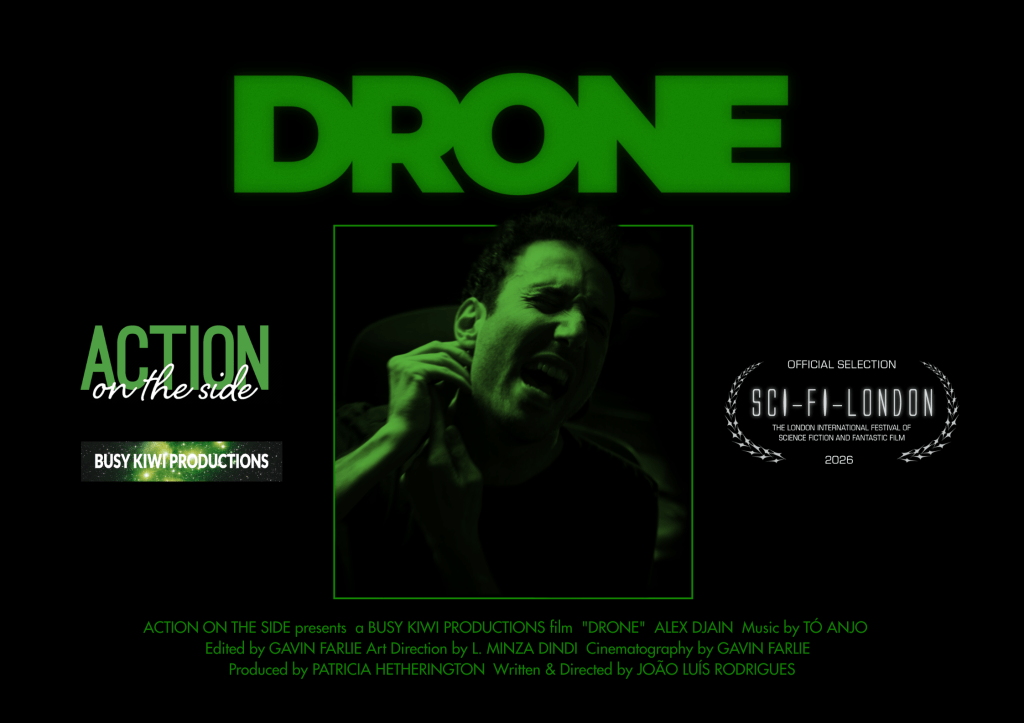
Drone at Sci-Fi-London
Our September 2025 short film, Drone, made as part of the Action On The Side one-month weekend filmmaking project, screened at Sci-Fi-London
The film screened Sunday 22nd May at Rich Mix cinema in Shoreditch, London.
Here is a pic of the team at the screening: Raine (Art Director), João (Writer/Director), and Alex (Lead Actor).
Unfortunately I couldn’t attend, because I was in…
Cannes Film Festival & Market
Garage was in the Festival de Cannes Short Film Corner this year*. I attended Cannes with Dympna (Director) and Isabelle (Lead Actor). My goal for Cannes was Networking: promoting Action On The Side, finding collaborators for future projects, and – if possible – watch some films.
I spent most of my time between the UK Pavilion, the New Zealand Film Commission, and the Short Film Corner. I met a load of fantastic filmmakers from around the world. I didn’t get to watch any films — but I have access to the Short Film Corner films to catch up on.
Romford Film Festival
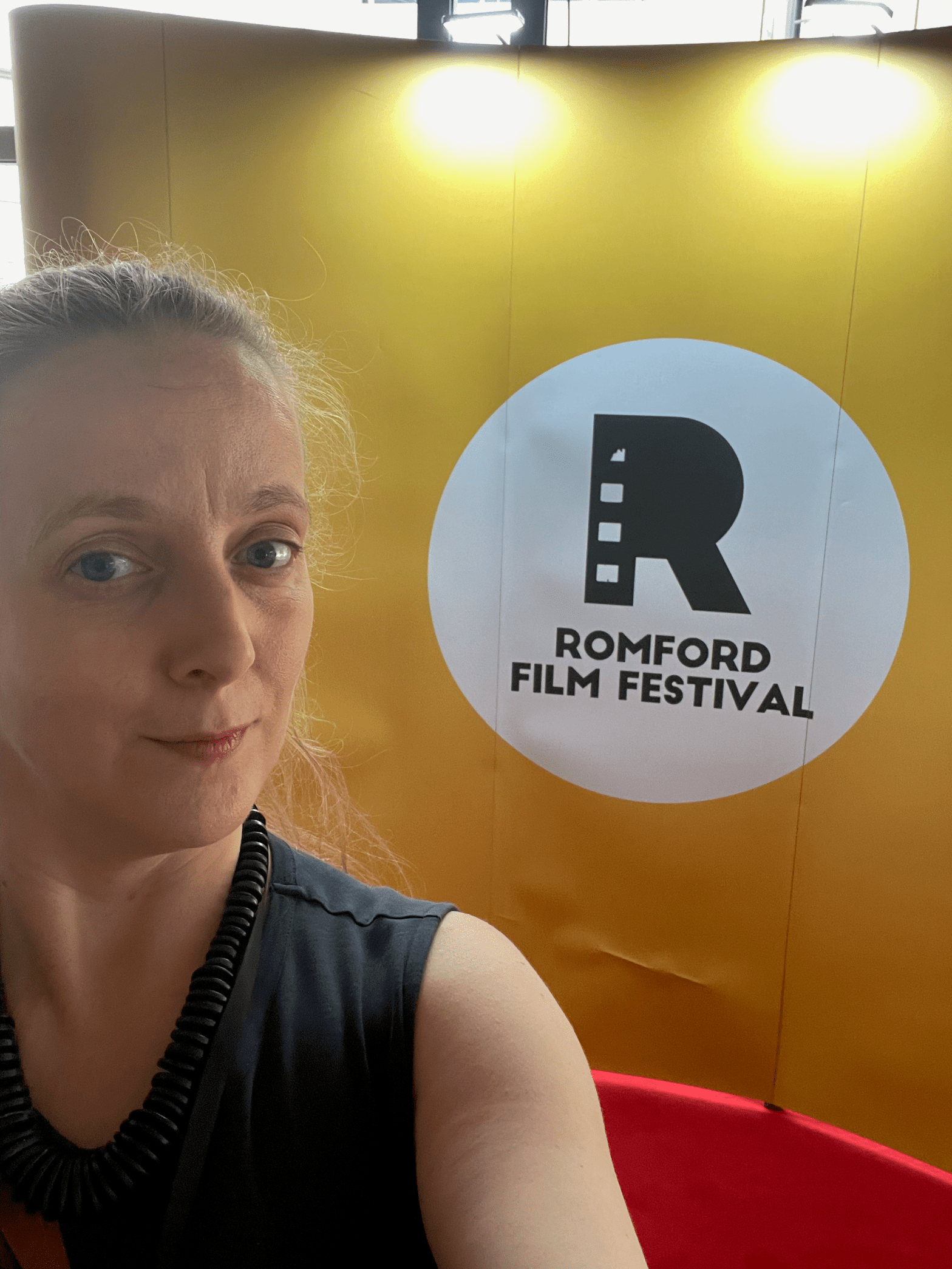
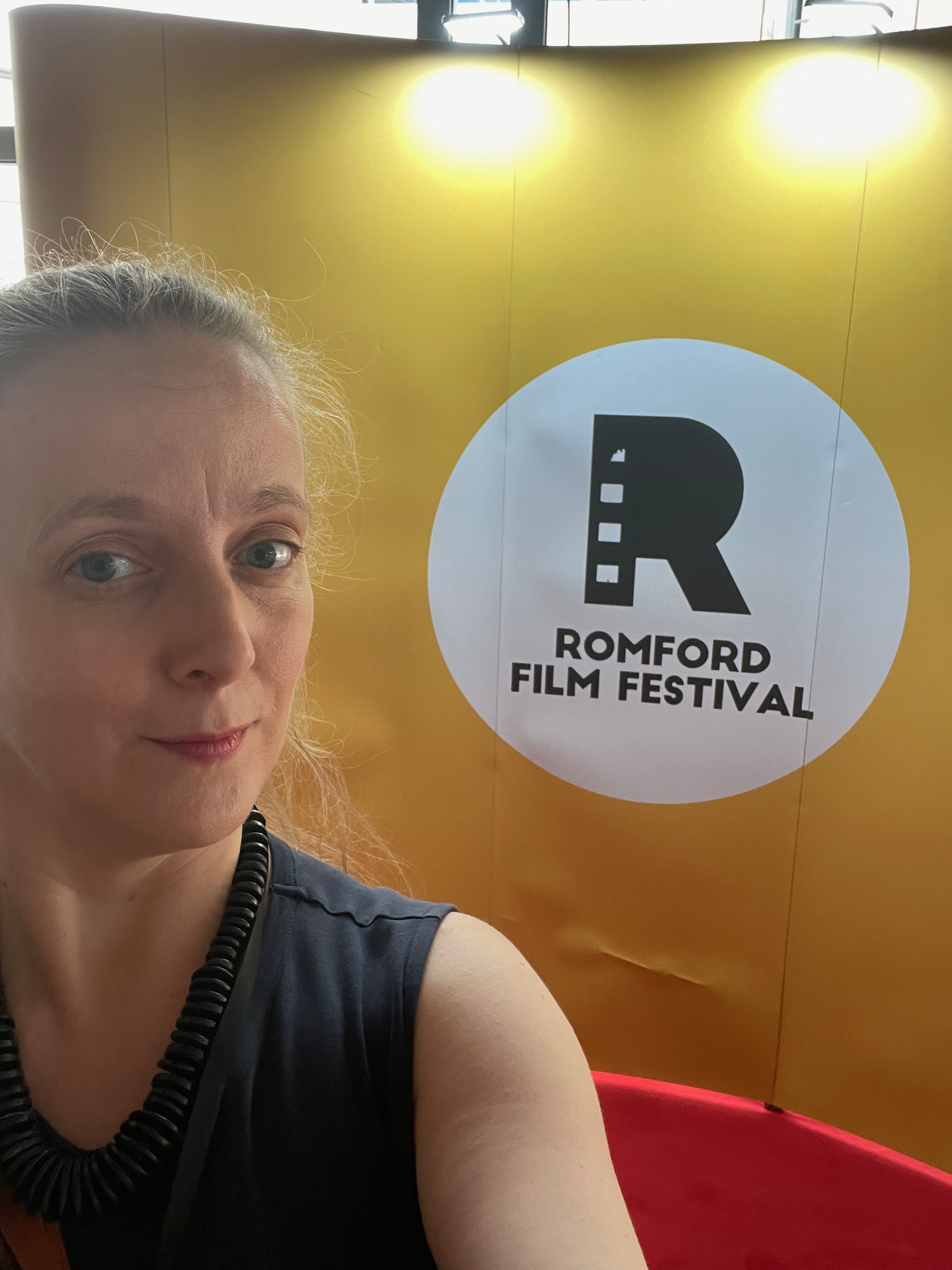
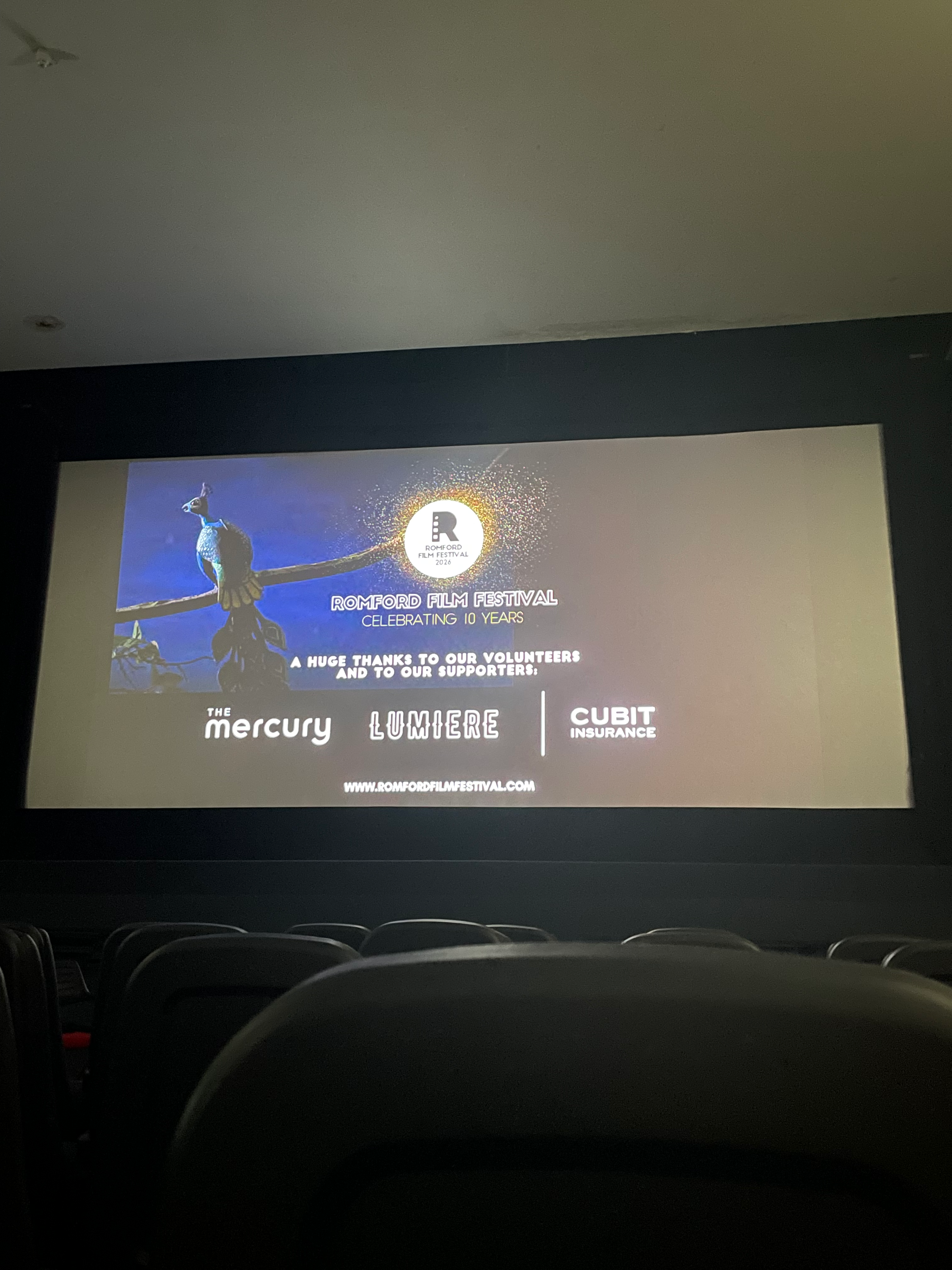
This weekend (Friday 22nd to Monday 25th May 2026) is the Romford Film Festival. The festival is held over the bank holiday weekend at the Lumiere Cinema in Romford (Essex, UK).
Garage screened at 5pm on Friday 22nd. I attended with Dympna (Director) and her husband Tom, Jack (Editor), Isabelle (Lead Actor) and her best friend Alessandro.
We had a Q&A about Garage. I look forward to seeing the recording and photos.
Both Garage and Drone are on their film festival runs this year. Garage screens at the Love & Hope International Film Festival. The Festival runs 14-17 October 2026 in Barcelona, Spain.
This year with Action On The Side, I have started to run monthly webinars.
February 2026
I spoke with Producer and renown Horror actress Ayvianna Snow, about her roles, activism, and challenges that actors face. Some of the stories were shocking!
This was the first webinar – and unfortunately I didn’t realise the slides were what was being recorded, so it turned into a podcast! You always learn by doing, so I improved this for the next one.
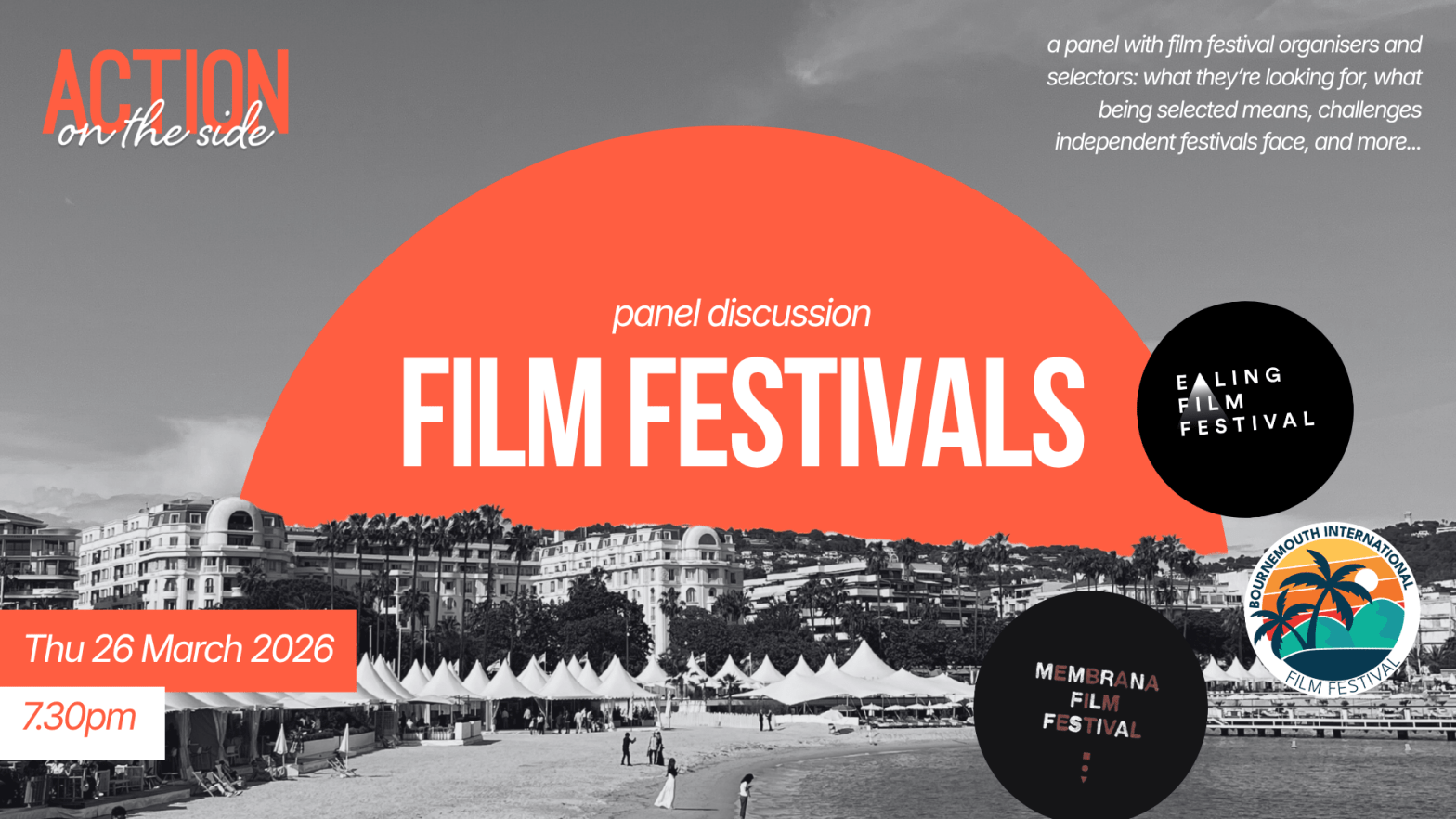
March 2026
Please enjoy the full video. We had a panel of 7 judges and organisers for independent film festivals.
We had representatives from Ealing Film Festival, International Film Festival of the Hague, Membrana Film Festival, Native Spirit, Aravali International Film Festival, Bournemouth International Film Festival, and more.
Topics included funding, FilmFreeway, festival strategy, and what filmmakers can do to stand out. There was a call to give filmmakers feedback, especially if they’re not selected.
I planned a webinar for April to focus on Film Festival strategy, but I didn’t have time to promote it, so it didn’t go ahead.
Join us for the next webinar
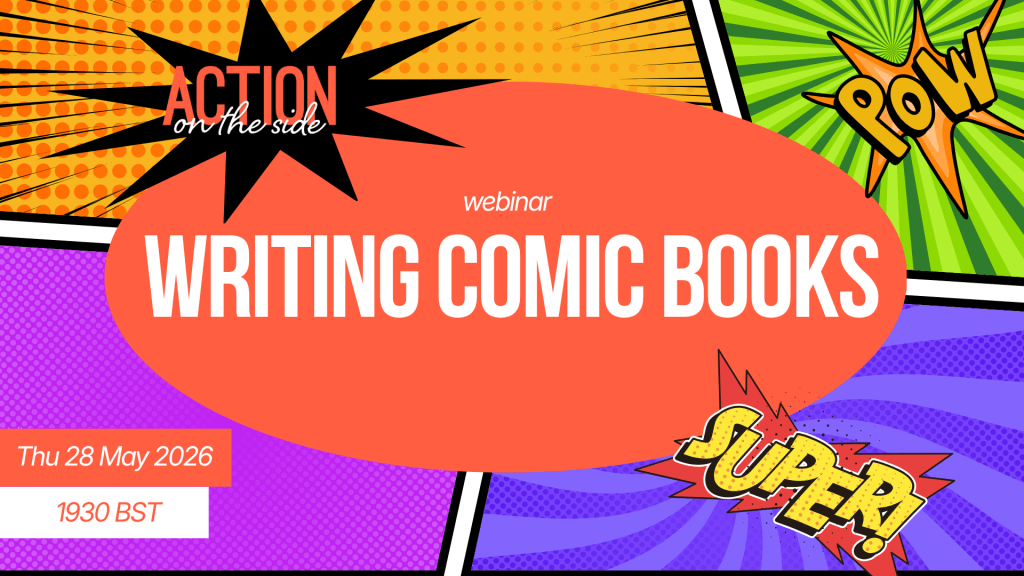
The next webinar is on Thursday 28th May. I’m speaking to three Comic Book writers about their work. Join us for free at this link here.
I’m quite behind with promotion, but we have a good panel. Craig Connolly, Bruno Catarino, and Jay Wong will each be speaking about what they do, how they got into comic books, and giving advice for fellow writers.
Now when I started writing this, it was Yesterday that we had had our wrap up for the latest Action On The Side one-month weekend filmmaking project… (of course I didn’t finish the post, and I’m here now, a month later, to type up my thoughts)
This was the 25th one-month weekend filmmaking that AOTS has run: I know this, because I’ve been working behind the scenes on the website and am building a page with all of the projects.
The project is a skills development project. Reflection is vital to skills development. I’m trying to challenge myself to write my own reflections down in my blog.
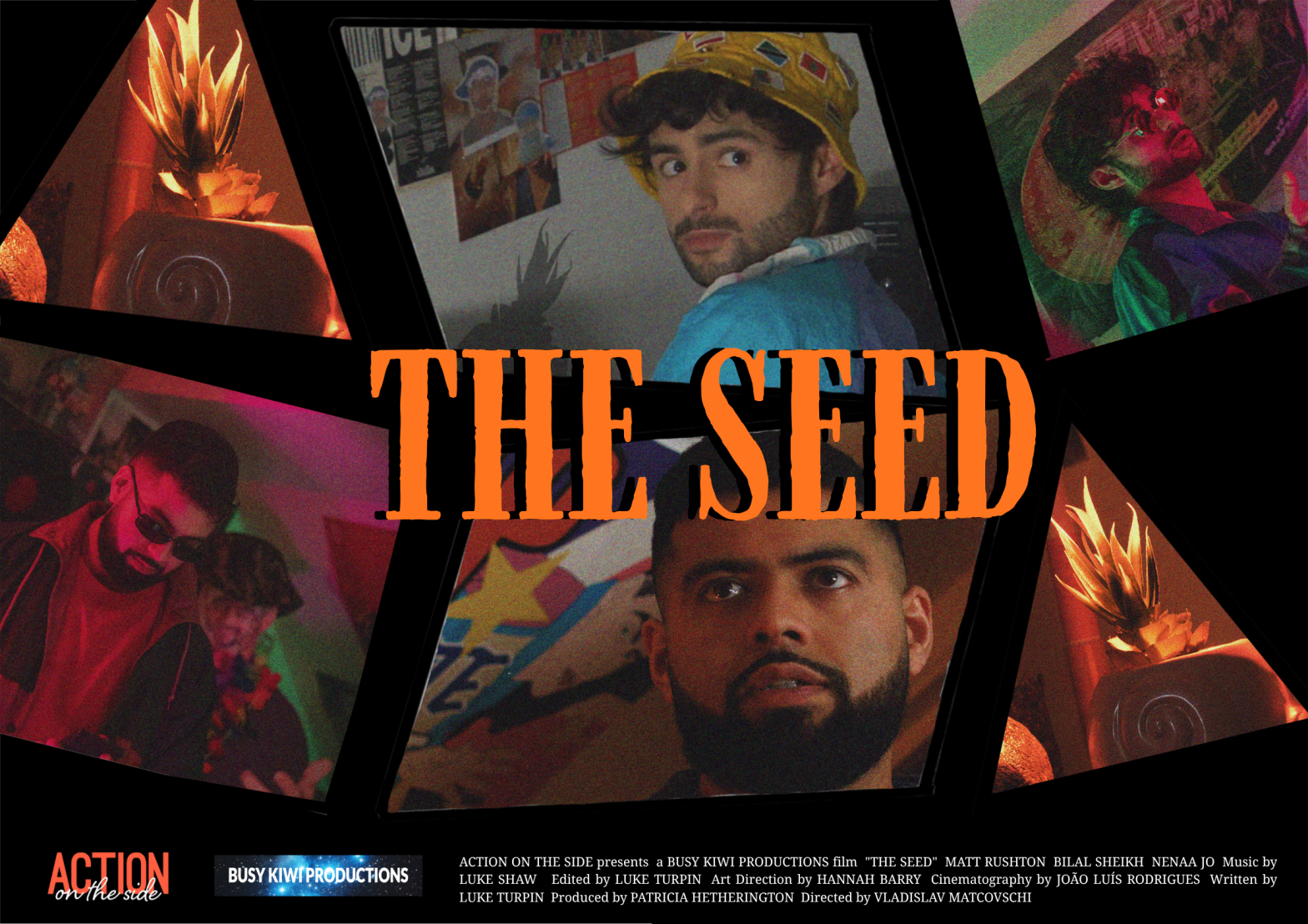
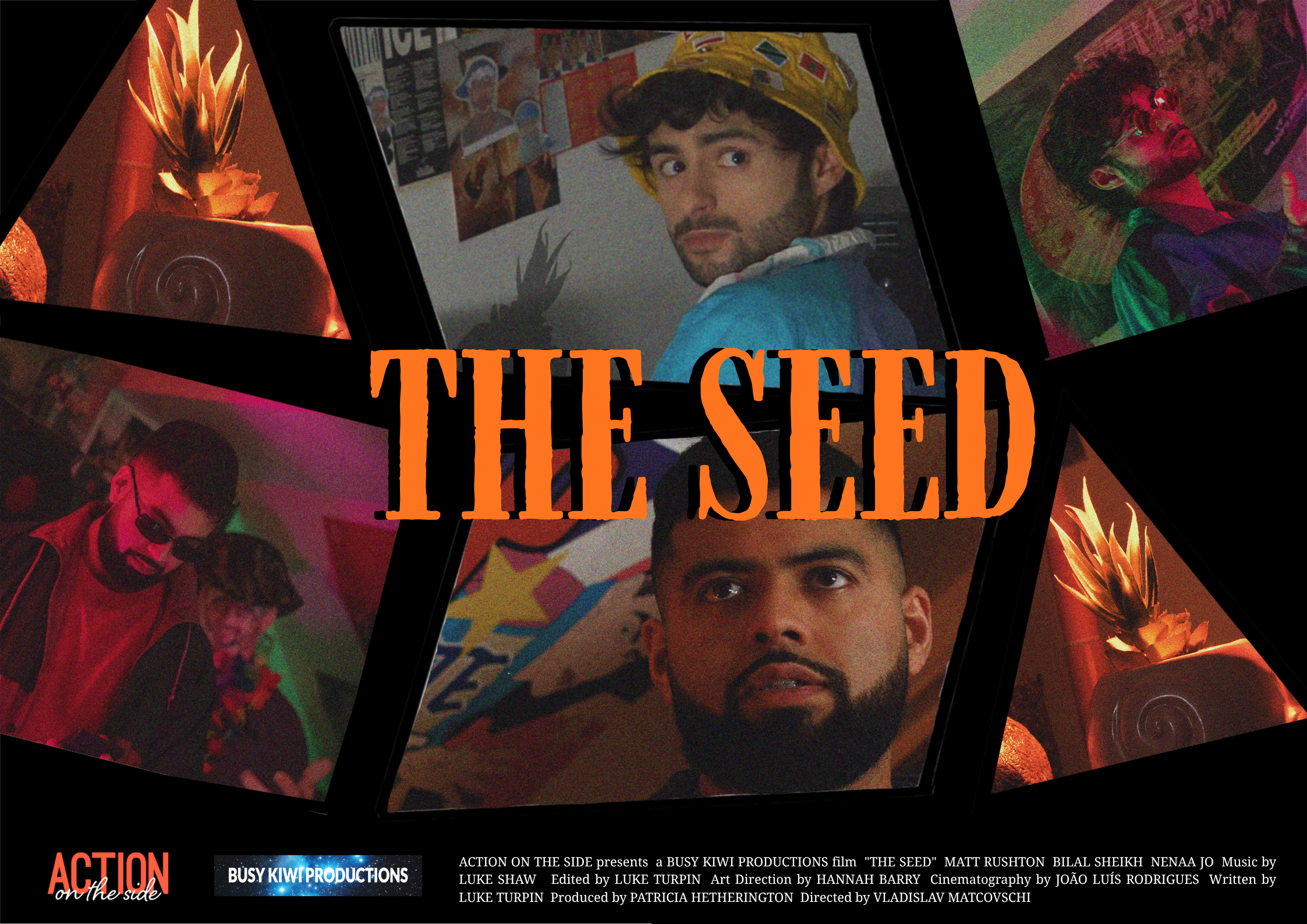
The finished film:
The Seed (aka Rufus the Houseplant)
This project had the most participants we had had for a long time – 13! plus two interns!
New things for this project:
We had two interns for this project: Clarissa as Producer’s Assistant Intern and Melissa as the Social Media Marketing Assistant Intern. We haven’t had the Social Media Marketing intern for a while, so it was good to have support with promoting the project and the film.
Melissa updated our Instagram page. It turned out we didn’t have a LinkTree set up for AOTS (I thought I had done that, but I hadn’t), so Melissa set that up. She also did some awesome graphics for us. I’ve now invested in Canva Pro to help with marketing going forward.
Two days before the project started, we had a table at the UK Film & TV Jobs Fair in Harrow. We had a team of 5: me (producer and organiser), Alice (our regular Script Editor), Melissa (our intern), Esther (former intern and organiser of our showreel projects), and Alex (star of our previous AOTS short film, Drone). We had a lot of interest and at least two last-minute sign-ups from that event.
I continue to update the AOTS website. I’m building a Past Events page, where I can share details of upcoming events and photos from previous events. That isn’t fully live yet, but I’m working on it.
I have a pro Zoom account now. Meetings could be held on Zoom with breakout rooms, which made preproduction easier. For instance, I could have a meeting with the Art Director while the Director, 1st AD, and DP were in another room discussing shots.
Building on that, I’m now running monthly webinars. The webinar on Film Festivals (speaking to film festival organisers and judges) ran during the March project – during the delivery week – which was additional stress. But I think it worked well (I’m editing the video still, and will share it when it’s ready).
We had two Script Editors, working with a new Script Editor for the first time. I prepared a video for the Script Editors to manage their expectations on the writing standard, who the participants are, and what their role entails.
Because we had so many people and with multiple tasks, and people wanting to learn what the others were doing, I developed a Preproduction Tasks document and another for Post Production. The team could all access it, so they can see what others had to do. It had tags and a checklist of what they need to do for their role. Not everyone used it, which isn’t ideal, so I’m going to need to reflect on that. But it was a valuable document, which can easily be a template.
There was some stress during the shoot. From that, I bought in an additional reflection point straight after the shoot. Reflection is a key part of skills development, so this allows the team to identify points earlier on, rather than leaving it to 1-2 weeks after the screening (3-4 weeks after the shoot).
The screening was at the newly renamed Multi Story in Peckham (previously Peckham Levels). They have really done up the screening auditorium – with blocking out the light and sparkle.
Some Key Reflections on this project
Because we had such a huge group, I encouraged them to split into two teams to make two films. But the group elected to work together on one film. This meant some people didn’t have key roles, and found themselves sitting around not doing much, especially on shoot day 2. I’ve got a plan for that going forward, which involves bringing on people at my level who can (co)produce a team, and I can then focus on Exec Producing.
Most of the reflection from the review meeting is that we end up selecting the easiest script. There are always people who are new to the project, and now that they have seen it, they know what to write and pitch for next time — which is great.
I’ve invested in some additional kit going forward: sound, monitor, camera batteries (we borrowed kit from a friend, because I’m looking after it for him). That should make the project easier, especially if we end up splitting into two or more teams.
In the review meeting, we discuss the project, the final film, and skills development. I’ve now added a clear question of ‘do we want to promote this film and submit it to film festivals, or do we leave it as a skills development project?’. This brings the team into the decision, and we can discuss whether the project has legs.
We had drop-off in engagement with the project: namely the people who had a boring / stressful experience on-set, who then didn’t attend the screening, or complete the feedback form. I’m not sure how to resolve that, so it’s a point for further development. I can manage expectations. Film shoots are stressful; they are long (12 hour days, sometimes longer); but they’re fun. It’s managing expectations.
The film is online. We have an IMDb page, Letterboxd listing, promo. Every time I run the project, I develop it further. Regardless of the finished film, I think everyone involved learned something — and that is the goal for the project.
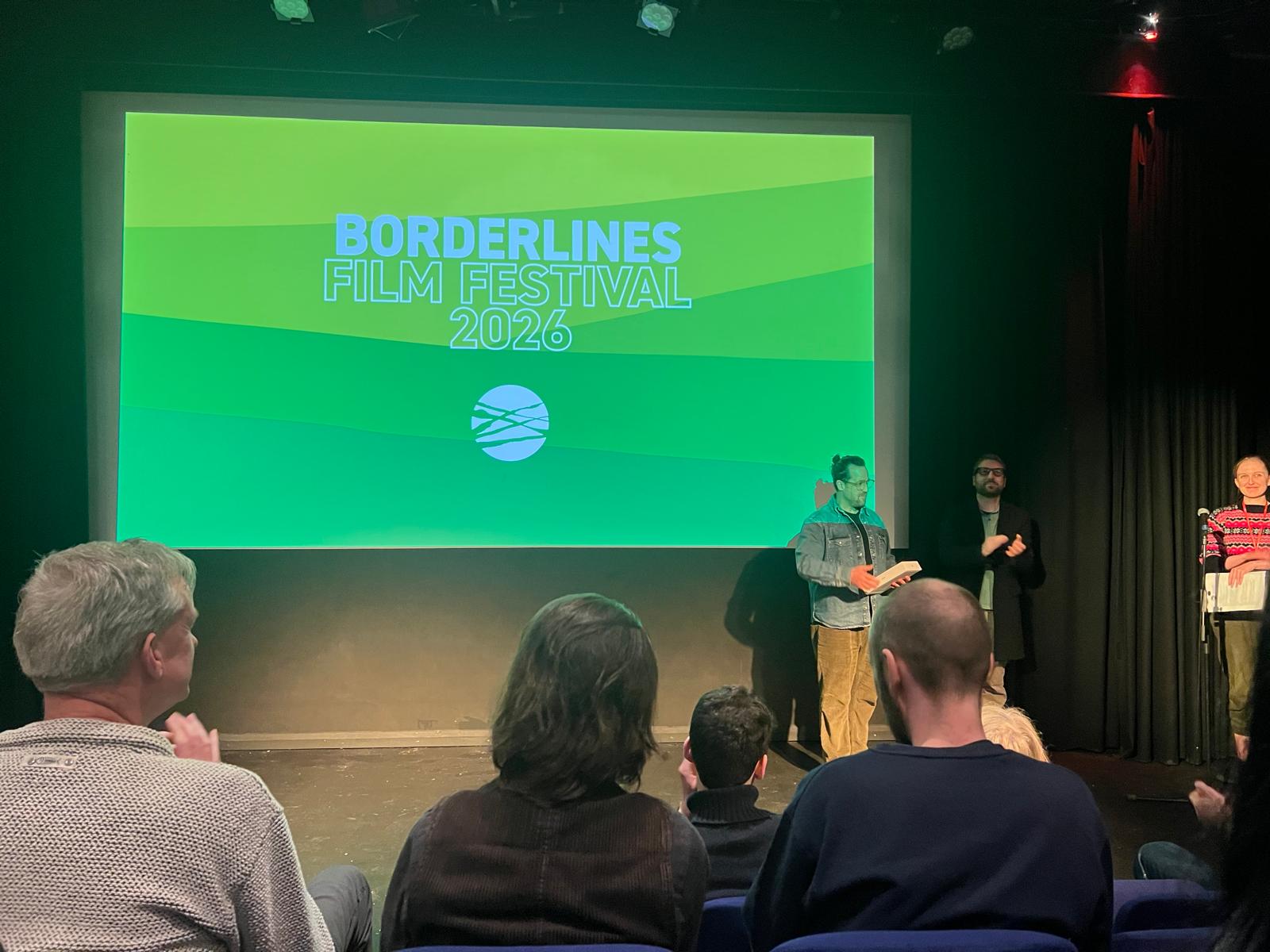
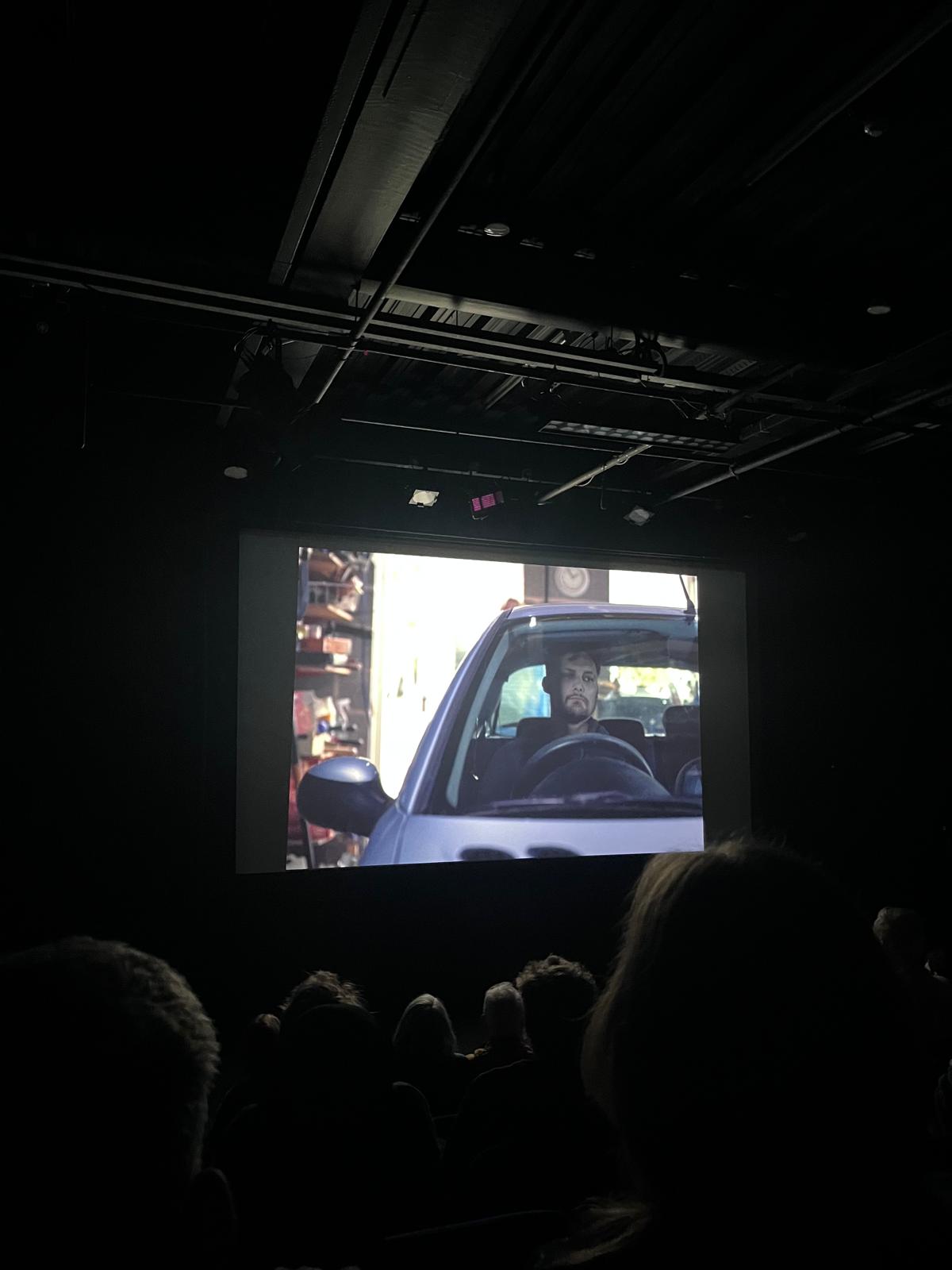
On Sunday March 8th, GARAGE had its world premiere at Borderlines Film Festival. Garage was part of the Open Screen, held at the Courtyard Theatre in Hereford.
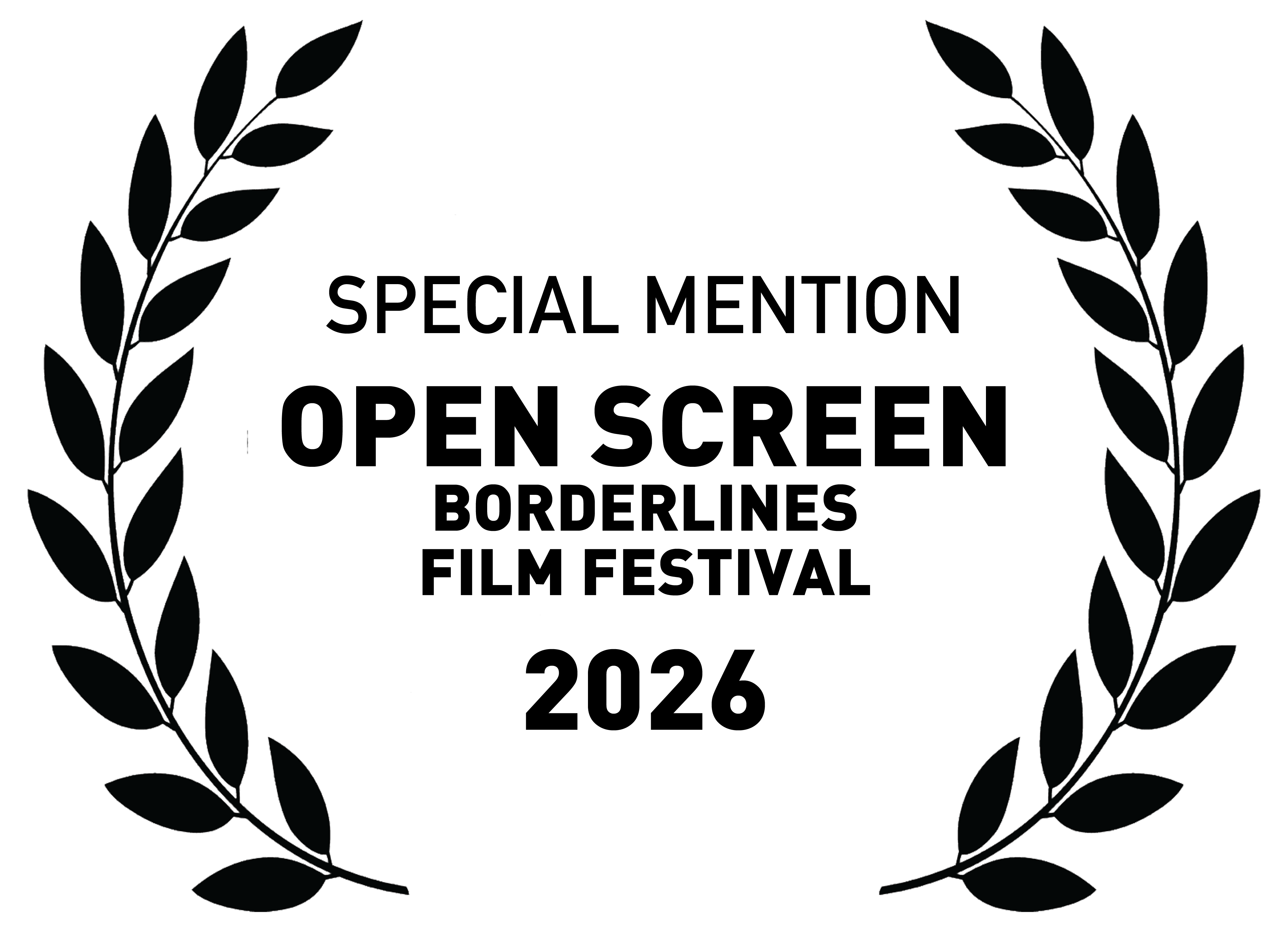
Director Dympna Jardine was in attendance. Garage received a Special Mention.
Garage was part of the Open Screen, which showcased local short films.
We even received a Special Mention
Thank you to Borderlines Film Festival for the selection.
2025 was a tough year. There was a lot going on in my personal life and a lot of projects – more than I could have easily managed. Lots was achieved, but it was brutal at times.
It’s the time of new year resolutions. Now, the general knowledge now has changed, that setting a new year resolution isn’t a great idea – because it’s likely to fail when one returns to old habits, and then that leads to depression and greater detriment. It’s better to simply improve habits throughout the year, not all at once at the start of the year – which should mean the changes stick.
That said, it is a time to reflect on the past year and look forward.
One of the things I struggle with are all of the things that I need to do. I get overwhelmed, I struggle to prioritise (it’s all important!), and then I shut down. With my depression, I often hide away in those moments. It’s hard to promote yourself and your work when your brain is calling you a failure. With my anxiety, I feel others will be judging (of course they will, but of course they won’t), so it’s difficult to share when one is struggling.
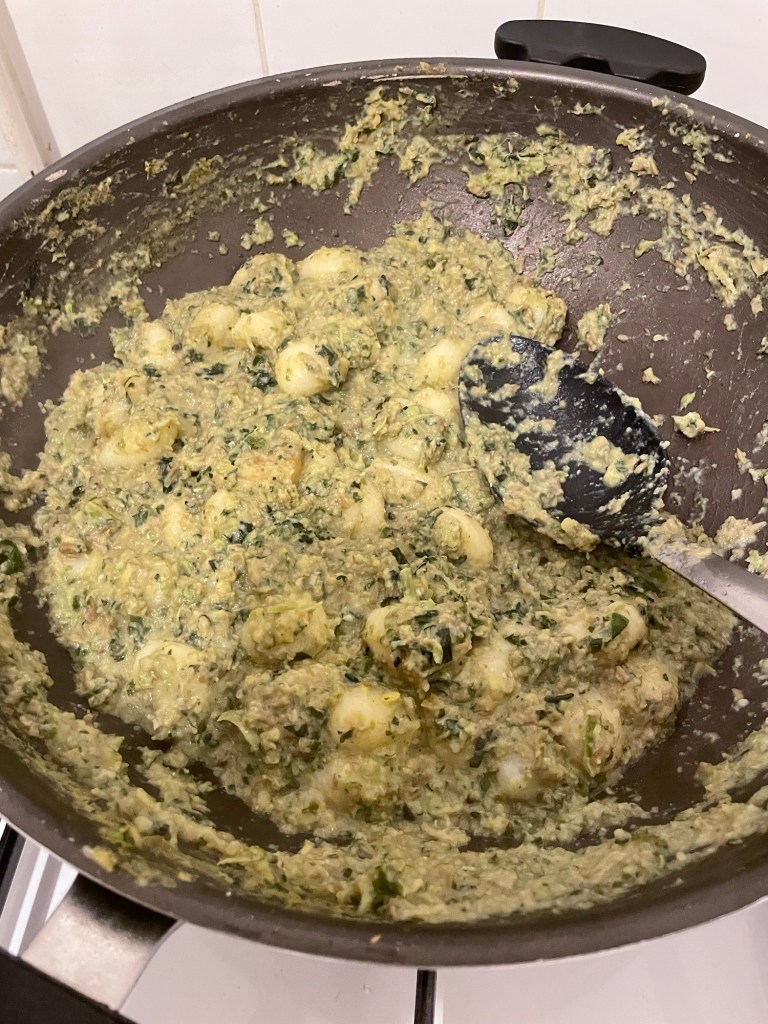
I went for a walk today, in a local park. I listened to a podcast. I drank my coffee from home in my portable cup. I had a dance in my room to awesome music this morning. I have done some cleaning (need to mop after this). I ate some leftovers from the meal I made last night for my flatmates and some friends who came over (gnocchi with a green sauce made with lentils, kale, peas, and parmesan, with leftover chicken). I had a lovely time last night with friends I hadn’t seen in a while. I had lovely chats with friends online. I am going out to catch up with a friend this afternoon.
My brain, on the walk, returned to what I should do in 2026. Write screenplays, run online workshops, boost the AOTS projects, read that feature script I said I would, read those book chapters I said I would (why is reading other people’s work such a brain barrier? work out why it is), clean out my room, delete old emails, watch more short films, pick which film will be my first of the year (because I’ll see it all year on my Letterboxd stats — so it’s a big decision). I have a huge list of things to do. I have things I should post about. I don’t post here very often. This is the first thing I have done off my list.
It’s a small step. I’m not promising to write more often. It’s not that. But this is a small step over that barrier to get something written and out there.